Many tenants focus on basic cleaning tasks when moving out, but often overlook environmental factors that affect the condition of a property. Salt deposits from coastal air, moisture related dampness and dirt in outdoor spaces can quickly make a home appear poorly maintained if not cleaned properly. These issues are especially common in coastal cities, where humidity and sea breeze contribute to stubborn residue and damp patches.
Preparing a rental property for inspection requires more than a routine clean. Addressing salt build up on windows, managing damp areas and refreshing outdoor spaces can make a significant difference in how the property looks during the final check. This article will provide you with practical bond cleaning tips. With the right approach and practical techniques, tenants can handle these challenges efficiently and ensure their top quality end of lease cleaning Sydney process is thorough and stress free.
- Understand Why Salt and Damp Build Up Occurs
- Gather the Right Cleaning Tools
- Remove Salt Residue from Windows and Glass
- Deal with Damp Walls and Mould Safely
- Clean Outdoor Areas Thoroughly
- Pay Attention to Cleaning the Hidden and Hard to Reach Spots
- Infographic: Cleaning checklist for salt buildup, dampness & outdoor areas
- Wrapping Up
1. Understand Why Salt and Damp Build Up Occurs
Salt buildup is a common issue in homes located near coastal areas. The salty air carried by sea breezes settles on windows, glass surfaces, railings and outdoor furniture. Over time, this residue forms a thin white layer that can make surfaces look dull and dirty. If left unattended for long periods, salt can even cause corrosion on metal fixtures.
Dampness, on the other hand, is usually caused by excess moisture and poor ventilation. Bathrooms, laundry areas, and corners near windows are especially prone to damp spots and mildew growth. Understanding the source of these problems is important because it helps you choose the right cleaning method rather than simply wiping the surface and hoping for the best.
2. Gather the Right Cleaning Tools
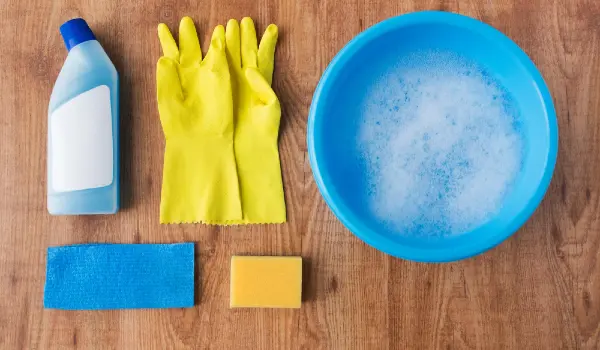
Before starting the cleaning process, it is important to organise the necessary tools and supplies. Having the right equipment makes it easier to remove salt residue, tackle damp spots and clean outdoor surfaces effectively.
Some essential cleaning tools include:
- Microfibre cloths
- Soft sponges
- A bucket with warm soapy water
- White vinegar
- Baking soda
- A scrub brush
- A mop and broom
- Rubber gloves
3. Remove Salt Residue from Windows and Glass
Salt deposits on glass and window frames can make them appear cloudy and neglected. The easiest way to remove salt residue is by using warm water mixed with mild dish soap or vinegar. Use a soft cloth or sponge to gently wipe the surface and dissolve the salty layer without scratching the glass.
After cleaning, rinse the surface with clean water and dry it using a microfibre cloth. This helps prevent streaks and leaves the glass looking clear. During end of lease cleaning Sydney, paying attention to windows and balcony glass panels is essential because property managers often inspect these areas closely.
4. Deal with Damp Walls and Mould Safely
Damp walls often lead to mould and mildew, which can look unpleasant and may even create an unhealthy environment. To tackle this issue, start by identifying damp areas such as bathroom tiles, window corners, and behind furniture. Cleaning these spots early prevents mould from spreading further.
A simple mixture of vinegar and water can work well for light mould stains. For tougher patches, a mild mould cleaning solution can help break down the spores. After cleaning, ensure the area is completely dry and well ventilated. This step is especially important during end of lease cleaning because mould stains can raise concerns during the final property inspection.
5. Clean Outdoor Areas Thoroughly
Outdoor spaces such as balconies, patios and entryways often accumulate dust, leaves and salt residue. These areas are easy to overlook, but they play a big role in the overall appearance of the property. Start by sweeping away loose debris, dirt and leaves from floors and corners.
Next, wash the surfaces using warm water and a mild cleaning solution. A mop or scrub brush can help remove stubborn dirt from tiles or concrete floors. Don’t forget to clean railings, outdoor furniture and glass panels. Well maintained outdoor spaces leave a positive impression during inspections and help complete the overall end of lease cleaning Sydney process.
6. Pay Attention to Cleaning the Hidden and Hard to Reach Spots
During move out cleaning, many tenants focus only on visible areas and forget about spots that are less obvious. Salt deposits and dampness can also appear behind appliances, along window tracks, under sinks and in corners that are rarely cleaned during daily routines.
Taking the time to check these hidden areas ensures the property looks truly clean. Use a small brush or cloth to remove dirt from window tracks and wipe down skirting boards where dust tends to accumulate. These small details may seem minor, but they can make a noticeable difference during the final inspection.
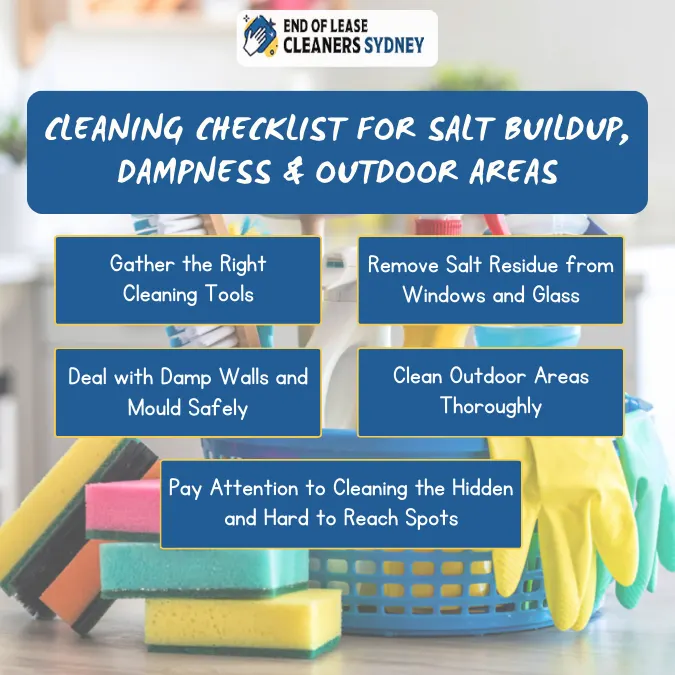
Infographic: Cleaning checklist for salt buildup, dampness & outdoor areas
Wrapping Up
Salt buildup, dampness and outdoor dirt are common challenges when preparing a rental property for move out. However, with the right approach and attention to detail, these issues can be managed effectively. By following these practical tips, tenants can make the entire process less stressful and more organised. A thorough and well planned cleaning routine increases the chances of a smooth final inspection and a successful bond return.