Vacating from a rental home in Sydney soon? Nothing is more stressful than preparing the entire property for the final rental inspection. Due to strong rental demand and stringent cleanliness standards, landlords and property managers undertake meticulous property inspections before releasing the bond. Tenants in NSW must abide by predetermined tenancy rules and responsibilities to prevent bond deductions and unnecessary disputes.
While routine cleaning prevents dust buildup and grime, normal wear and tear is inevitable. Renters often struggle to distinguish between normal wear and tear and actual damage. This could even lead to unnecessary disputes, costly repairs, and bond deductions. Under NSW residential tenancy laws, properties must be returned in a reasonable condition, as it was at the start of a lease. This excludes normal wear and tear. Landlords can’t claim on your bond for everyday wear and tear, but tenants should understand what actual damage is, to save the rental bond.
Worry not! In this guide, we’ll understand the key difference between fair wear and tear vs actual damage in rental properties to prevent bond deductions. Understand who is responsible for repairs and maintenance. Every tenant should know their responsibilities, and conduct an expert end of lease cleaning Sydney by hiring skilled professionals.
Let’s Get Started!
- What is “Fair Wear and Tear” in a Rental Property?
- What is Actual Damage Beyond Normal Wear and Tear in NSW?
- Understanding via Examples: Normal Wear & Tear Vs. Actual Damage
- Who is Responsible for Fixing Property Damage?
- What to Do If your Landlord Unfairly Deducts your Bond?
- Infographic For Understanding Damage Vs Fair Wear and Tear in NSW
- Wrapping Up
1. What is “Fair Wear and Tear” in a Rental Property?
According to NSW Fair Trading, normal wear and tear is the normal deterioration of a rental home from everyday use. It naturally occurs over time, and tenants are not liable to repair or pay when moving out. This includes minor scuff marks, fading and peeling paint, worn carpets and small nail holes in walls. Since landlords expect minor wear and tear, they can’t claim on your bond money.
In fact, they are responsible for fixing the issues caused by natural ageing or gradual deterioration. However, there is a very thin line between fair wear and tear and actual damage. Tenants must understand the key difference to prevent unfair bond deductions and penalties.
Also, click time stamped photos before signing the initial condition report. This can serve as evidence in the event of disputes or deductions. As a responsible tenant, you just need to ensure that you return the property in a reasonably clean condition, minus fair wear and tear.
2. What is Actual Damage Beyond Normal Wear and Tear in NSW?
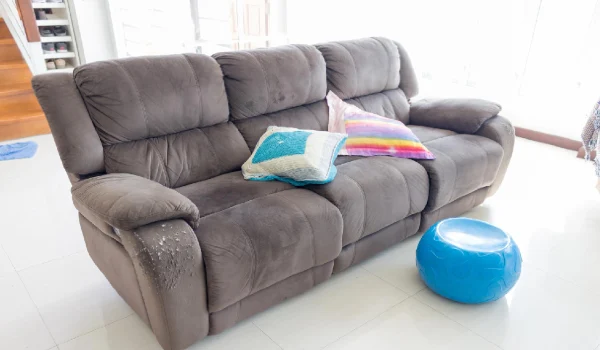
Damage, on the other hand, is any deterioration to the property caused by a tenant during a lease period. In fact, any damage caused by your pet makes you responsible for covering the expenses before moving out. These are major damages and often go beyond reasonable wear and tear and natural ageing. It includes stains on carpets, visible dirt and grease, worn carpets due to negligence, broken furniture from mishandling, etc.
Therefore, tenants are responsible for any irresponsible, intentional, or negligent acts that cause damage to the property. They are obligated to make the necessary repairs or pay for them before moving out. Ensure you complete the necessary repairs before the arrival of end of lease cleaning Sydney professionals to pass the final rental inspection.
3. Understanding via Examples: Normal Wear & Tear Vs. Actual Damage
Let’s compare and understand both conditions closely:
Carpets:
Natural dullness, furniture indentations and traffic marks on the carpet fall under fair wear and tear, while stubborn stains and burn marks on the carpet are considered as negligent or intentional damage.
Paint:
Fair wear and tear: faded, cracked and chipped paint.
Damage: poor quality of paint, adhesive stains, wall stains etc
Curtains:
Fair wear & tear includes faded curtains or frayed cords, while missing or torn curtains are the tenant’s responsibility.
Floors:
Scuffed up wooden floors are normal deterioration, but scratches from abrasive scrubbing are damage beyond normal wear and tear.
Doors and Windows:
Fair wear and tear: loose hinges and handles, worn sliding tracks.
Damage: broken glass
Kitchen:
Fair wear and tear: damaged benchtop in the kitchen
Damage: cuts and burn marks on the surface.
Water Stains:
Water marks on carpets caused by rain through a leaking roof come under normal wear and tear. However, visible water stains on carpets caused by cleaning products or an overflowing bath make you responsible for the necessary repairs.
Make sure you refer to the property condition report and complete the necessary repairs before the final end of lease cleaning in Sydney to pass your bond money.
4. Who is Responsible for Fixing Property Damage?
In NSW, tenants are responsible for leaving the property in the same condition as when they moved in. They are only responsible for negligent, intentional, or irresponsible actions beyond normal wear and tear. They must inform their landlord of the damage and pay for repairs to avoid bond deductions. However, tenants are not responsible for fair wear and tear.
On the other hand, landlords are responsible for providing a rental home that meets minimum standards. They are also obligated to meet those standards throughout the lease. That’s why they are expected to act promptly when tenants requests for repairs.
5. What to Do If your Landlord Unfairly Deducts your Bond?
Tenants in NSW can dispute the claim if the property has normal wear and tear. They can gather evidence, such as initial condition report, photos and videos, end of lease cleaning Sydney service receipts, etc., and apply to the tribunal. They will review your evidence and help you secure full bond money.
However, if you want to prevent bond deductions, thoroughly inspect your property and compare it with the PCR. This will help you do necessary repairs and thoroughly maintain the property throughout the lease.
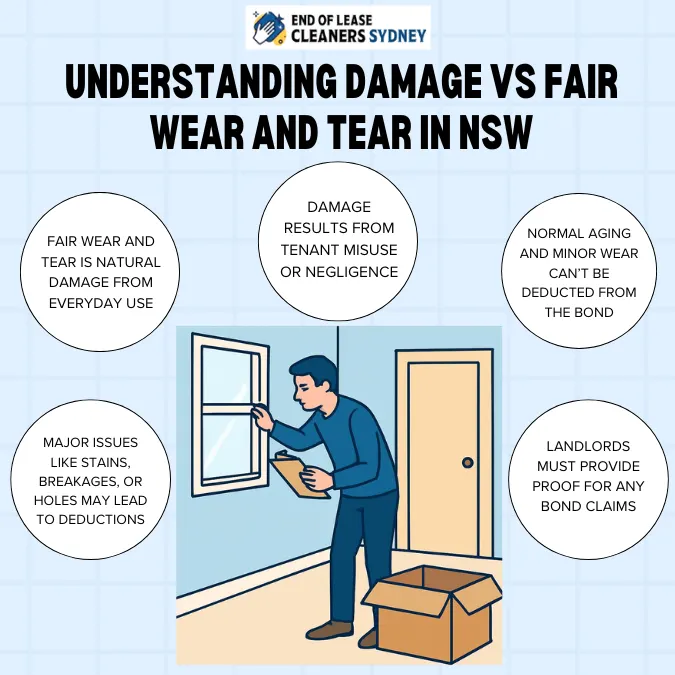
Infographic For Understanding Damage Vs Fair Wear and Tear in NSW
Wrapping Up
Moving out of a rental home becomes easier with this guide. Now, you can easily differentiate actual damage beyond wear and tear to protect your hard earned bond money. This will help you make the right decision and pass your rental inspection easily.